Gibraltar EU Grey List Status and FATF Removal Explained
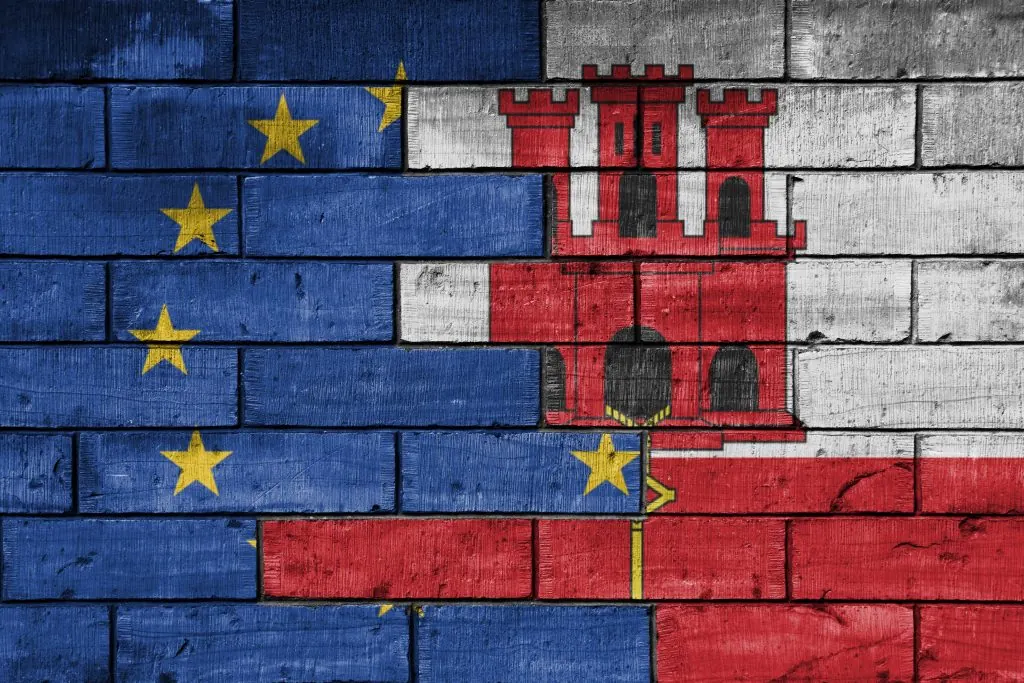
Whilst Gibraltar was removed from the FATF Grey list on 23rd February 2024, the European Commission kept Gibraltar on their own Grey List…some may say due to political pressure.
On 10th June 2025, The European Commission has confirmed that Gibraltar will be removed from the EU’s list of high-risk jurisdictions – a significant moment that affirms Gibraltar’s global standing as a serious, well-regulated financial centre.
Fast forward one more day and excitement was breaking as the UK foreign secretary David Lammy flew into Gibraltar at midnight on the government private jet for a meeting with the Chief Minister and Governor and then departed in the morning with the Chief Minister to Brussels.
We awaited an announcement which arrived in the afternoon as a joint statement:
Building on significant progress achieved in the previous political meetings in 2024 and on intensive work of the negotiating teams since then to solve outstanding issues, today’s discussions resulted in a conclusive political agreement on the core aspects of the future Agreement between the EU and the UK in respect of Gibraltar. The future Agreement is without prejudice to the respective legal positions of Spain and the United Kingdom with regard to sovereignty and jurisdiction.
The main objective of the future Agreement is to secure the future prosperity of the whole region. This will be done by removing all physical barriers, checks and controls on persons and goods circulating between Spain and Gibraltar, while preserving the Schengen area, the EU Single Market and Customs Union. This will bring confidence and legal certainty to the lives and well-being of the people of the whole region by promoting shared prosperity and close and constructive relations between the Gibraltar and Spanish authorities.
In the area of persons, the Parties agreed to establish dual Gibraltar and Schengen border checks at Gibraltar port and airport – to be carried out in full cooperation between the EU and UK/Gibraltar authorities, removing all checks at the crossing point between Gibraltar and La Linea for the many thousands of people who travel across daily in both directions. For the EU, full Schengen checks will be carried out by Spain. For the UK, full Gibraltar checks will continue to be carried out as they are today. They also agreed arrangements for visas and permits and close cooperation between the police and law enforcement authorities.
In the area of goods, the Parties agreed on the principles underpinning the future customs union between the EU and Gibraltar, providing for strong cooperation between the respective customs authorities and removing checks on goods. There is also agreement on the principles of indirect taxation to be applied in Gibraltar, including on tobacco – that will avoid distortions and contribute to the prosperity of the whole region.
Other important areas of the future EU-UK Agreement include level playing field commitments on State aid, taxation, labour, environment, trade and sustainable development, anti-money laundering, and transport – including the airport; the rights of frontier workers and social security coordination. Specific cooperation will also be included in environmental matters. The creation of an appropriate financial mechanism to promote cohesion and support training and employment in the region has also been agreed.
Today’s agreement has been reached in a shared commitment to European security.
The way is now clear for negotiating teams swiftly to finalise the full legal text and proceed with the respective internal procedures leading to the signature and ratification of the future Agreement.
The Parties are confident that this Agreement will support prosperity and bring confidence, legal certainty, and stability to the lives and well-being of the people of the whole region.
So what does this mean for Gibraltar? Mike Nicholls from Chesterton’s summarised extremely well in his weekly bitesize briefs:
Sovereignty & governance
- The UK retains full sovereignty over Gibraltar. Spain’s role is strictly limited to Schengen border management.
- UK military and civil jurisdiction remains unchanged.
Border & immigration: Schengen integration
- Gibraltar will be integrated into the Schengen area, enabling free movement across the border with Spain. Physical land border checks at the border will be removed.
- Schengen-style border controls will be introduced at Gibraltar’s airport and port (in a model similar to French police operating in London’s St Pancras), managed jointly by Gibraltar and Spanish officials. No mention of Frontex.
- UK nationals visiting Gibraltar who are not residents will be subject to Schengen’s 90 / 180-day rule.
- Cross-border staffing should become easier and more reliable. Recruitment and commuting friction decreases. Tourism and services industries should see immediate gains.
Trade & customs: frictionless goods movement
- Gibraltar will effectively enter the EU customs union, allowing goods to move freely between Gibraltar and Spain without checks or duties.
- Spanish imports (including food, medicine, and construction materials) will no longer face port-of-entry delays.
- Supply chains should operate more efficiently. Reduced delays and lower logistics costs will benefit retail, hospitality, construction, and freight sectors.
Taxation & regulation
- Gibraltar will keep its VAT-free status, however a new “transaction tax” or increased import tax will impact prices on some goods in order to achieve a “level playing field” with Spain.
- Pricing distortions (especially on tobacco and fuel) will be reduced through taxation alignment with Spain.
- Commitments have been made on tax transparency, state aid, labour, and environmental regulations.
- A financial assistance mechanism will be introduced to support employment and economic transition.
- Direct taxation remains firmly at the behest of the Gibraltar Government.
Airport
- The opportunity for flights to operate from Gibraltar airport to EU destinations, increasing Gibraltar’s connectivity to the continent and improving its prosperity
This is a significant achievement for Gibraltar. It allows Gibraltar residents full access to the EU and ensures Gibraltar is an extremely attractive destination or opportunity for individuals and businesses.
Frequently Asked Questions
What changes will occur at the Gibraltar–Spain border following the new EU–UK agreement on Gibraltar?
The agreement stipulates the removal of all physical barriers, checks, and controls on persons and goods circulating between Spain and Gibraltar. Instead, dual Gibraltar and Schengen border checks will be conducted at Gibraltar's port and airport in cooperation between EU and UK/Gibraltar authorities, eliminating checks at the land crossing with La Linea.
How will Schengen and Gibraltar checks be implemented under the future agreement?
Full Schengen checks will be carried out by Spanish authorities at Gibraltar’s port and airport, while Gibraltar authorities will continue to carry out UK checks as they currently do. This arrangement is designed to facilitate borderless movement while maintaining required legal controls.
What are the main objectives of the future EU–UK agreement regarding Gibraltar's status?
The agreement aims to secure the future prosperity of the region by removing checkpoints for people and goods, preserving the Schengen Area, EU Single Market, and Customs Union, and fostering closer cooperation between Gibraltar and Spanish authorities. It is intended to bring legal certainty and shared prosperity to the area.
In what areas beyond border controls does the agreement provide for cooperation?
The agreement covers cooperation in visas and permits, police and law enforcement, customs operations, indirect taxation—including tobacco regulation—state aid, taxation, labor standards, environment, sustainable development, anti-money laundering, transport, and the rights of frontier workers. Environmental cooperation and support for regional training and employment are also included.
What financial mechanisms are envisioned in the future EU–UK Gibraltar agreement?
The agreement includes the creation of an appropriate financial mechanism aimed at promoting cohesion and supporting training and employment in the region. This is intended to contribute to the overall prosperity and stability of the surrounding area.
How does the agreement address the issue of sovereignty over Gibraltar?
The agreement explicitly states that it is without prejudice to the respective legal positions of Spain and the United Kingdom regarding sovereignty and jurisdiction over Gibraltar. This allows cooperation while leaving sovereignty issues formally unresolved.
Discover more
[random_posts posts="3"]
Written by
Head of Business Development
Phil Cartwright leads Octopus International Business Services, advising on Gibraltar residency, company formation, banking and corporate structures.