Gibraltar Company Incorporation: Required Documents for 2025
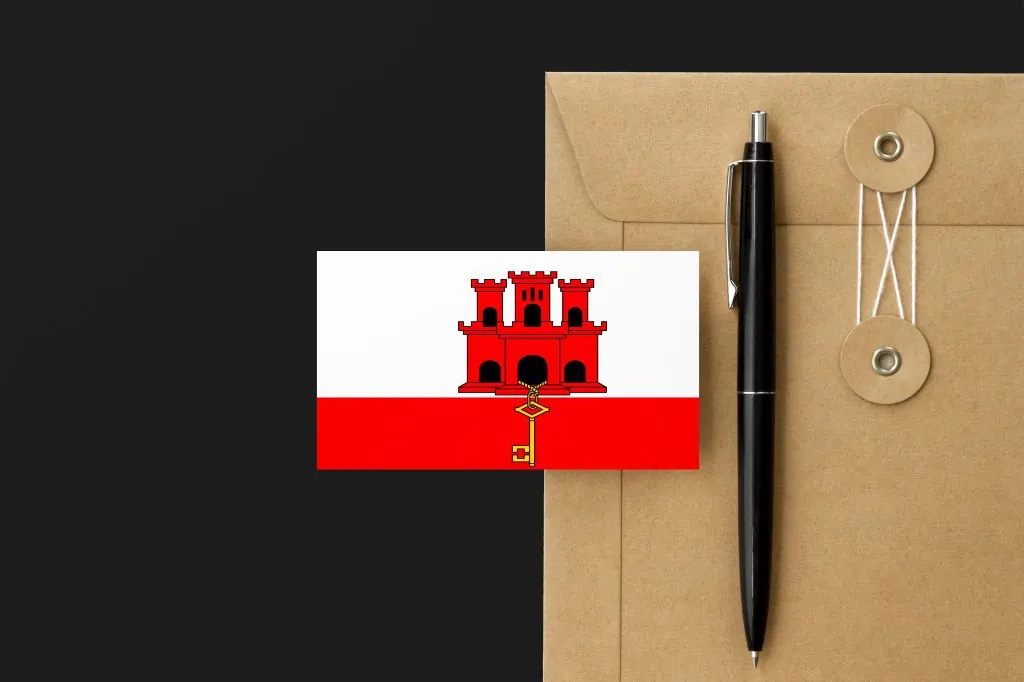
Incorporating a company in Gibraltar is not only a strategic decision — it’s a reputational one. In an era where compliance, substance, and transparency define the future of international business, Gibraltar stands out as a jurisdiction that blends tax efficiency with legal credibility.
But before you can benefit from its robust framework, you’ll need to go through a clearly defined Gibraltar company registration process — and that means submitting a precise set of documents to the Companies House.
Why Choose Gibraltar for Incorporation?
Many still equate offshore jurisdictions with zero-tax, high-secrecy operations. That model is not only outdated — it’s dangerous.
What founders and investors want today is regulatory confidence, legal clarity, and access to banking infrastructure. That’s exactly what Gibraltar provides.
As a British Overseas Territory with a stable legal system based on English common law, Gibraltar offers:
- A 15% corporate tax rate
- A straightforward company formation regime
- Full adherence to OECD and FATF requirements
- Legitimate pathways for crypto businesses, fintech operators, and asset holding structures
It’s no coincidence that many searches today are not just for “how to set up an offshore company” but for “how to register a company in Gibraltar” specifically. This is a jurisdiction where businesses can scale without legal compromise.
Types of Companies You Can Register in Gibraltar
Before diving into the paperwork, it’s important to clarify what type of entity you’re forming. The most common structure is a:
- Private Company Limited by Shares (Ltd)
But others include:
- Non-resident companies (for holding or investment purposes)
- Public Limited Companies (PLCs)
- Foundations and trusts
- Protected Cell Companies (PCCs) — especially used in insurance and crypto funds
Each entity type shares the same core incorporation requirements but may differ in compliance obligations and documentation detail.
Mandatory Documents for Company Formation
Here’s a full breakdown of what’s required to form a company in Gibraltar under the Companies Act 2014. These documents apply to most standard Ltd entities.
1. Memorandum & Articles of Association
The cornerstone of your legal entity.
The Memorandum outlines the company’s name, objectives, and initial capital. The Articles define governance: how shares are issued, how meetings are held, director responsibilities, and decision-making processes.
This document must be signed by the subscriber(s) and filed in English.
A common LSI phrase you’ll encounter during this step is “Gibraltar company constitution” — and that’s precisely what this document represents.
2. Form 1 – Declaration of Compliance
This is a statutory declaration confirming that all legal prerequisites under Gibraltar law have been met. It is usually signed by a director, legal counsel, or the formation agent.
Incorrect or incomplete declarations are one of the most common causes of delayed incorporations.
3. Form 2 – Notification of First Directors & Secretary
This form lists the initial company officers and their personal data, including:
- Full name
- Nationality
- Date of birth
- Address
- Passport or ID number
Even if a corporate service provider (CSP) is being used to supply nominee directors or secretarial services, their identities must still be disclosed.
These disclosures are part of Gibraltar’s transparent business registry, designed to maintain credibility with international banks and regulators.
4. Form 3 – Registered Office Address
Your company must have a physical address in Gibraltar. This cannot be a P.O. box unless it’s linked to a licensed CSP.
If you’re Googling “offshore company address in Gibraltar”, be aware that virtual address providers must be registered with the FSC to be valid for incorporation purposes.
5. KYC & Due Diligence Documents
For every director, shareholder, UBO (Ultimate Beneficial Owner), or controlling party, you’ll need to provide:
- Certified copy of valid passport
- Recent proof of address (utility bill, bank statement, etc., not older than 90 days)
- Source of wealth information / CV (especially for crypto, iGaming, or fintech structures)
- Proof of initial source of funds
Gibraltar follows a risk-based approach to KYC, meaning high-risk sectors require more documentation and scrutiny.
This is a key difference from jurisdictions like Belize or Seychelles, where documentation can be minimal but acceptance by banks is extremely low.
6. Company Share Certificates
Although not required for the initial filing, share certificates must be issued immediately after incorporation. These documents detail who owns what portion of the company and in what class of shares.
Professional providers like Octopus prepare draft share certificates alongside incorporation filings to avoid delays.
Optional (but Often Needed) Documents
Depending on your situation, you may also need:
- Power of Attorney (PoA) — if your formation agent or legal rep will sign on your behalf
- Business plan or activity description — especially for applications involving a DLT licence, investment fund, or cross-border operations
- Bank compliance pack — if you’re registering with the goal of opening a Gibraltar or UK bank account immediately afterwards
What Happens After Filing?
Once your documents are submitted and accepted by the Gibraltar Companies House, you’ll receive:
- Certificate of Incorporation
- Company Number
- Copy of filed Memorandum & Articles
- Proof of registered address (company profile)
- Share certificates
At this stage, you can proceed with:
- Bank account applications
- Business Licence registrations (if applicable)
- Signing commercial contracts
How Long Does It Take?
Typical turnaround time for business incorporation in Gibraltar is:
- 3 to 5 business days for standard filings
- 7–10 business days for crypto, gaming, or fund-related entities due to enhanced due diligence
Fast-track options may be available if using a licensed Corporate Services Provider (CSP) like Octopus International Business Services.
Common Pitfalls During Gibraltar Incorporation (and How to Avoid Them)
| Issue | Why It Happens | How to Avoid It |
| Delayed incorporation | Missing certified documents | Use a CSP who validates paperwork before submission |
| Rejected bank application | Poor KYC pack or unclear business model | Include clear source of funds and planned activity |
| Incomplete director data | Conflicts in ID or residency proofs | Always use certified translations and consistent spellings |
| Substance mismatch | Virtual address used incorrectly | Engage a registered address provider or CSP |
Professional incorporation is not just about forming a company — it’s about forming a bankable, compliant, and future-proof entity. That’s the key difference between a shell and a structure.
Final Thoughts: Incorporation in Gibraltar Is a Strategic Investment
Whether you’re searching for “documents for offshore company setup in Gibraltar” or trying to understand “how to register a company in Gibraltar” as part of a broader international structure — one thing is clear:
Gibraltar rewards those who approach incorporation seriously.
This jurisdiction does not offer shortcuts — it offers clarity, structure, and credibility. And in 2025, that’s exactly what global banks, investors, and regulators demand.
By preparing the correct documentation — and working with professionals who understand Gibraltar’s Companies Act, FSC requirements, and evolving compliance landscape — you set yourself up for a smooth launch and long-term success.
Want to Incorporate in Gibraltar Without the Paperwork Headaches?
We’ve helped hundreds of companies — from SaaS and investment vehicles to family trusts and crypto funds — successfully incorporate, license, and scale their operations in Gibraltar.
Let us handle the documentation, filings, and compliance while you focus on growth.
Frequently Asked Questions
What core documents are required to incorporate a Private Company Limited by Shares (Ltd) in Gibraltar?
To incorporate an Ltd in Gibraltar, the primary documents required are the Memorandum & Articles of Association, Form 1 (Declaration of Compliance), and Form 2 (Notification of First Directors & Secretary). Each document serves a distinct legal and regulatory purpose in the Gibraltar company registration process.
What information must be disclosed on Form 2 for company incorporation in Gibraltar?
Form 2 requires the disclosure of initial company officers’ personal data, including full name, nationality, date of birth, address, and passport or ID number. These requirements support Gibraltar’s emphasis on transparency and regulatory compliance.
How does the Memorandum & Articles of Association function in Gibraltar company formation?
The Memorandum & Articles of Association form the company's legal constitution, with the Memorandum detailing the company name, objectives, and initial capital, while the Articles set out governance, share issuance, meetings, and director responsibilities. This document must be signed by subscribers and submitted in English.
Are nominee directors or secretaries exempt from disclosure in Gibraltar incorporation documents?
Nominee directors or secretaries, even when supplied by a corporate service provider, must have their identities disclosed in the incorporation documents. Gibraltar’s registry requires this transparency to maintain compliance with international banking and regulatory standards.
What role does the Declaration of Compliance (Form 1) play in registering a Gibraltar company?
The Declaration of Compliance (Form 1) is a statutory declaration confirming that all legal prerequisites for company formation have been fulfilled under Gibraltar law. Inaccurate or incomplete declarations often result in delays to the incorporation process.
Discover more
[random_posts posts="3"]
Written by
Head of Business Development
Phil Cartwright leads Octopus International Business Services, advising on Gibraltar residency, company formation, banking and corporate structures.